
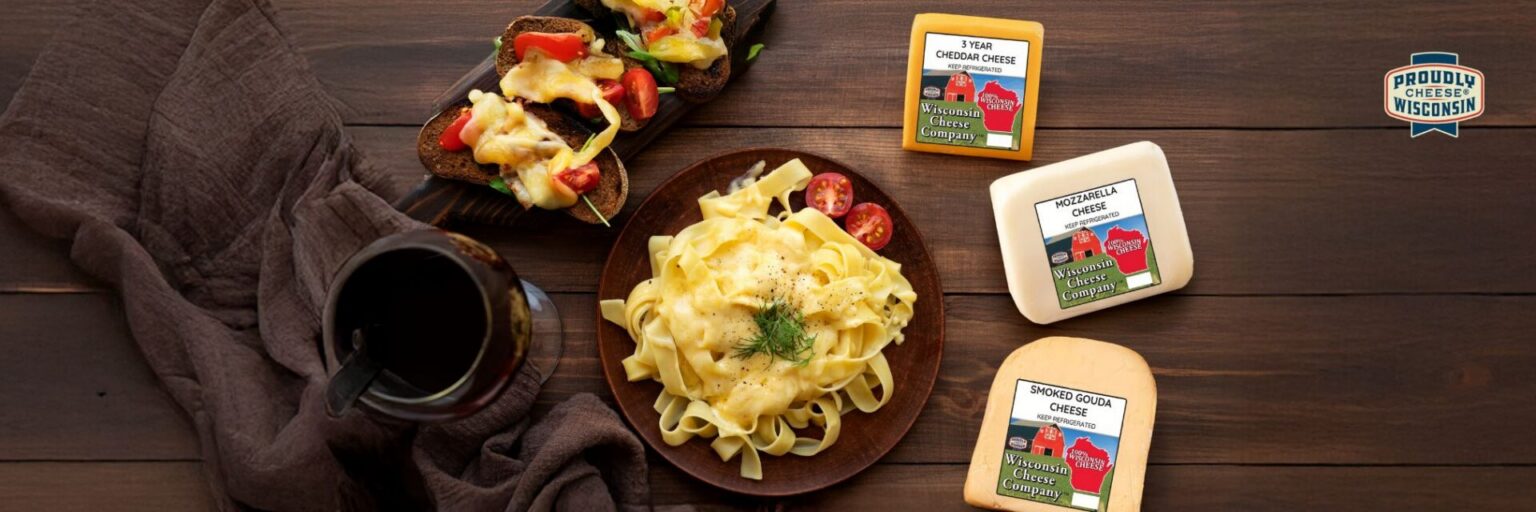
The Best Cheeses for Melting (And How to Use Them at Home)
When it comes to cooking, choosing the right cheese makes all the difference. Some cheeses stretch into long, satisfying pulls. Others melt into smooth, creamy sauces. Some add rich flavor while still holding their structure.
Understanding which cheeses melt best helps you cook with confidence and better results. Whether you are making pizza, pasta, or a classic grilled cheese, the right cheese can elevate the entire dish.
This guide covers the best cheeses for melting, why meltability varies, and how to get better results at home.
Why Meltability Varies by Cheese
Not all cheeses melt the same way. Meltability depends on moisture content, fat level, and how long a cheese has been aged.
In general:
- Higher moisture cheeses melt more smoothly
- Younger cheeses melt more evenly than heavily aged varieties
- Fat contributes to creaminess and consistency
Aged cheeses deliver bold flavor but can separate or become oily if overheated. Younger cheeses are more forgiving and ideal for cooking.
Best Cheeses for Pizza
Pizza needs a cheese that melts evenly, stretches well, and browns without burning.
Top choices include:
- Mozzarella for classic stretch and melt
- Provolone for added creaminess and depth
- Mild cheddar blended with mozzarella for extra flavor
Blending cheeses often produces the best pizza results by balancing stretch and flavor.
Best Cheeses for Pasta and Sauces
For pasta dishes and cheese sauces, smooth melting is essential.
Great options include:
- Medium cheddar for richness and body
- Monterey Jack for ultra smooth, creamy sauces
- Fontina for a silky melt and subtle flavor
Tip: Add cheese gradually over low heat to prevent separation and maintain a smooth texture.
Related reading: The Ultimate Guide to Wisconsin Cheese
Best Cheeses for Grilled Cheese and Sandwiches
A great grilled cheese is all about balance. You want a cheese that melts evenly while still delivering bold flavor.
Reliable choices include:
For an elevated grilled cheese, layer two cheeses. Use one for melt and one for flavor.
Related reading: Aged White Cheddar vs Traditional Cheddar: What’s the Difference?
Tips for Better Melting at Home
No matter which cheese you choose, these tips can help improve results:
- Grate cheese fresh instead of using pre-shredded
- Cook over low to medium heat
- Let cheese come to room temperature before melting
- Avoid overheating aged cheeses
Related reading: How to Store Cheese Properly for Maximum Freshness
Cook With Confidence Using the Right Cheese
From pizza night to comfort-food classics, choosing the right melting cheese makes cooking easier and more delicious. Understanding meltability helps you achieve better texture, better flavor, and consistent results every time.
Explore our full selection of Wisconsin-made cheeses and find the perfect fit for your favorite recipes.
SHOP NOW